








How to Ship a Car to Another State
Shipping a car requires careful planning. Research various auto transport companies, understand shipping regulations, and choose suitable options for your vehicle relocation needs. Ensure hassle-free delivery.
Car shipping involves the transportation of vehicles from one location to another, often across state lines. This service is essential for individuals relocating, purchasing a vehicle online, or sending a car to a family member. The process can seem daunting; however, understanding the basics can simplify it. Utilize professional auto transport services that cater to various needs, including open trailer and enclosed transport options. Each method has its advantages, depending on your vehicle’s value and your budget. Additionally, familiarize yourself with shipping regulations, as they can vary by state. Researching vehicle shipping companies ensures you find reliable and trustworthy services. Moreover, obtaining auto shipping quotes helps compare costs and services. With the right preparation, moving a car to another state can be a seamless experience, providing peace of mind during the transition.
Understanding Auto Transport
Auto transport is a specialized logistics service that focuses on moving vehicles from one place to another, with options tailored to meet various needs. Different types of auto transport services exist, including open trailer and enclosed transport, each offering distinct advantages. Open trailer transport is typically more cost-effective and suitable for standard vehicles, while enclosed transport provides additional protection for high-value or classic cars during transit. The auto transport process begins with selecting a reliable vehicle shipping company and obtaining auto shipping quotes. Understanding the timeline for pickup and delivery is crucial, as it can vary based on distance and shipping method; Additionally, familiarize yourself with shipping regulations in both states. With proper knowledge of transport logistics, you can ensure a smooth car shipping process while minimizing potential challenges and ensuring timely delivery.
Why You Might Need Vehicle Relocation
Vehicle relocation is often necessary for various reasons, making auto transport an essential service. One common scenario is relocating due to a job transfer, where individuals move to a new city or state and require their vehicles at the new location. Similarly, people purchasing cars from distant sellers often need assistance with shipping to ensure safe delivery. Additionally, military personnel frequently relocate, necessitating efficient car shipping services to transport their vehicles across states or even internationally. Another factor could be seasonal moves, such as snowbirds traveling to warmer climates during winter months. In any of these situations, utilizing professional auto transport services can save time and reduce stress. Understanding your vehicle relocation needs allows you to choose the appropriate shipping options, ensuring a smooth transition to your new destination without hassle.
Types of Car Shipping Services
When considering how to ship a car to another state, understanding the different types of car shipping services available is crucial. There are primarily two main categories: enclosed transport and open trailer transport. Enclosed transport offers the highest level of protection for your vehicle, as it is shielded from external elements such as weather and road debris. This option is particularly recommended for luxury, classic, or high-value cars that require extra care during transit. On the other hand, open trailer transport is more economical and widely used for standard vehicles. While it exposes vehicles to the elements, this method is efficient for many drivers looking to save on shipping costs. Choosing the right service depends on your budget, the value of your vehicle, and specific needs related to shipping logistics and delivery timelines.
4.1 Enclosed Transport
Enclosed transport is a premium option for shipping vehicles, providing an added layer of protection during transit. This method involves transporting cars within a fully enclosed trailer, shielding them from weather conditions, road debris, and potential damage. Enclosed transport is especially beneficial for high-value, luxury, or classic cars that require careful handling. It ensures that the vehicle remains safe and secure throughout its journey, minimizing the risk of scratches, dents, or other damages. Furthermore, many enclosed transport services offer additional features such as climate control, further safeguarding sensitive components. Although this option typically comes at a higher cost than open trailer transport, the peace of mind and protection it provides can be worth the investment. For those seeking the best care for their vehicles, enclosed transport is an excellent choice for interstate shipping needs.
4.2 Open Trailer Transport
Open trailer transport is a popular and cost-effective option for shipping vehicles across state lines. This method involves loading cars onto an open trailer, which is then towed by a truck. While it exposes vehicles to external elements such as weather and road debris, it is widely utilized for standard cars and everyday vehicles. Open trailer transport is especially advantageous for those looking to save on shipping costs, as it typically offers lower prices compared to enclosed options. Despite the exposure, reputable auto transport companies take precautions to secure vehicles properly during transit, minimizing the risk of damage. Additionally, open trailers can accommodate multiple vehicles at once, increasing efficiency and reducing transport logistics costs. For budget-conscious individuals, open trailer transport remains a reliable and practical choice for interstate car shipping needs.
Steps to Prepare for Interstate Shipping
Preparing for interstate shipping involves several important steps to ensure a smooth process. First, research and identify reliable vehicle shipping companies that fit your needs and budget. Read customer reviews and verify their credentials to make an informed choice. Next, gather auto shipping quotes from multiple providers to compare costs and services. This will help you find the best deal for your car transport. After selecting a company, familiarize yourself with shipping regulations in both states, as they can vary significantly. This ensures compliance and avoids potential issues during transit. Finally, prepare your vehicle by removing personal items, documenting its current condition, and ensuring it has enough fuel for loading. By following these steps, you can effectively prepare for interstate shipping, reducing stress and ensuring timely delivery of your vehicle.
5.1 Research Vehicle Shipping Companies
Researching vehicle shipping companies is a crucial first step in the car shipping process. Start by looking for reputable auto transport services that specialize in interstate shipping. Utilize online resources, such as customer reviews and ratings, to gauge the reliability and reputation of different companies. Check if they are licensed and insured, as this ensures compliance with shipping regulations and provides protection during transit. Additionally, ask for recommendations from friends, family, or online forums to find trustworthy options. Once you have a shortlist, visit their websites to gather more information about their services, shipping methods, and pricing structures. Contact the companies directly for clarification on any specific questions. By thoroughly researching vehicle shipping companies, you can make an informed decision, ensuring your car is in safe hands throughout the shipping process.
5.2 Get Auto Shipping Quotes
Obtaining auto shipping quotes is a vital step in the process of moving a car across state lines. Begin by reaching out to several vehicle shipping companies from your research list. Most reputable companies provide free quotes, allowing you to compare pricing and services. When requesting quotes, be prepared to provide essential information, such as your car’s make and model, pickup and delivery locations, desired shipping dates, and preferred transport method (open or enclosed). This information helps companies give accurate estimates. Additionally, inquire about any additional fees that may apply, such as insurance coverage or fuel surcharges. Once you receive the quotes, carefully review the details, including estimated delivery times and terms of service. By gathering multiple auto shipping quotes, you can make an informed decision that best fits your budget and needs.
5.3 Check Shipping Regulations
Checking shipping regulations is an essential step when planning to move a car to another state. Each state has its own set of rules governing vehicle transport, and understanding these regulations can prevent potential issues during transit. Start by researching the specific requirements for both the pickup and delivery states, including any necessary permits or documentation. Some states may have restrictions on vehicle types or weight limits for transport. Additionally, verify whether your chosen vehicle shipping company complies with state and federal regulations, including licensing and insurance requirements. Familiarize yourself with any applicable taxes or fees that may arise during the shipping process. By being informed about shipping regulations, you can ensure a smooth car transport experience, avoiding delays or complications that may arise due to non-compliance during the vehicle relocation process.
Choosing the Right Shipping Options
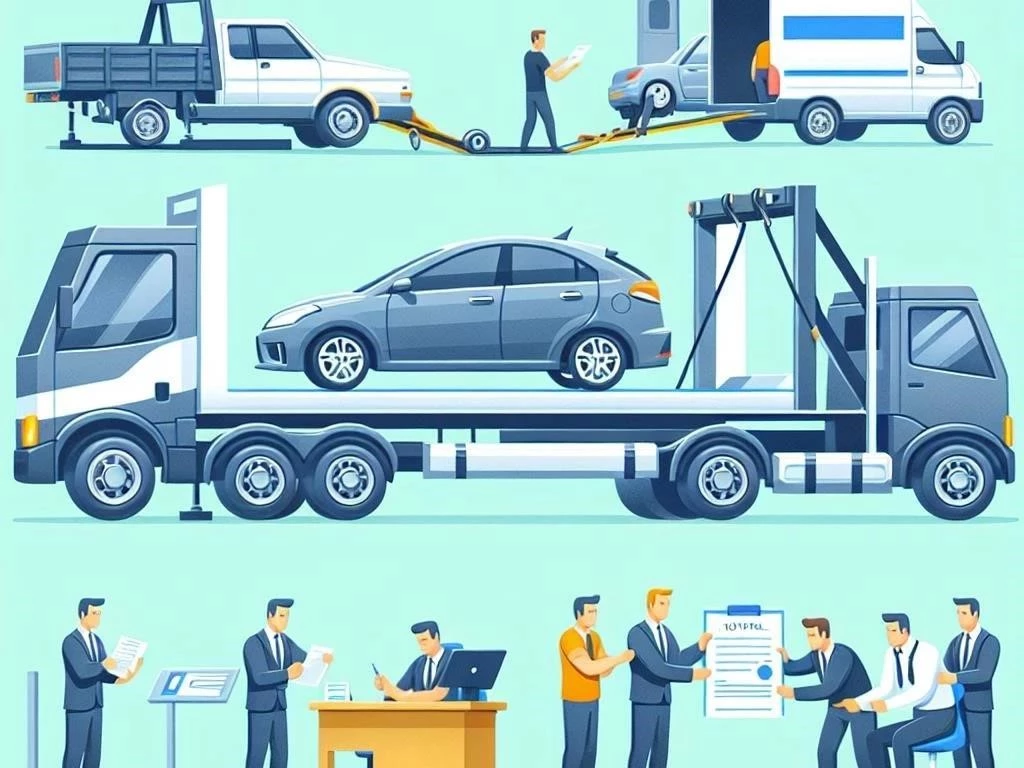
Choosing the right shipping options is paramount when planning to ship a car to another state. Start by evaluating your specific needs, such as the type of vehicle, budget, and desired level of protection during transport. Determine whether you prefer open trailer transport, which is more cost-effective, or enclosed transport, which offers superior protection. Consider the distance and estimated delivery time, as these factors can influence your choice of shipping method. Additionally, review the pickup and delivery preferences, including whether you require door-to-door service or terminal-to-terminal options. Communicate your needs clearly to the vehicle shipping company, as they can provide tailored solutions based on your requirements. By carefully considering these factors, you can select the best shipping options that align with your priorities, ensuring a smooth and efficient car relocation experience.
6.1 Cross-State Transport vs. Local Transport
When considering how to ship a car, understanding the differences between cross-state transport and local transport is essential. Cross-state transport involves moving a vehicle between different states, often requiring specialized logistics, longer distances, and adherence to various state regulations. This type of transport typically offers more comprehensive services, including tracking and insurance coverage, to ensure a smooth delivery. On the other hand, local transport refers to shipping vehicles within the same state or a short distance. This option may be more straightforward and often incurs lower shipping costs due to reduced distance and simpler logistics. However, local transport may not provide the same level of services or protection. When deciding, evaluate your specific needs, including distance, budget, and desired level of service to choose the best option for your vehicle relocation.
6.2 Pickup and Delivery Preferences
When shipping a car to another state, establishing your pickup and delivery preferences is crucial for a smooth experience. Many vehicle shipping companies offer various options, including door-to-door service and terminal-to-terminal transport. Door-to-door service provides convenience, as the carrier picks up your vehicle from your specified location and delivers it directly to the destination; This option is ideal for those with busy schedules or logistical challenges. Alternatively, terminal-to-terminal transport may be more budget-friendly, where you drop off and pick up your vehicle at designated terminals. However, this option may require additional travel and planning. Additionally, consider your desired shipping timeline, as some companies offer expedited services for faster delivery. Communicating your preferences clearly to the shipping company helps ensure that your needs are met, resulting in a seamless vehicle relocation experience.
Understanding Shipping Costs
Understanding shipping costs is vital when planning to ship a car to another state. Various factors influence these costs, including the distance between pickup and delivery locations, the type of transport method chosen, and the size and weight of the vehicle. For instance, enclosed transport typically incurs higher fees due to the added protection it provides, while open trailer transport is generally more economical. Additionally, the time of year can affect prices, as demand fluctuates with seasons. Other potential costs include insurance coverage, fuel surcharges, and any additional fees for expedited services or special handling. To get an accurate estimate, always request detailed auto shipping quotes from multiple companies. By comprehending these elements, you can better budget for your car shipping needs and ensure a smooth vehicle relocation process without unexpected expenses.
7.1 Factors Influencing Car Freight
Several factors influence car freight costs when shipping a vehicle to another state. One of the primary considerations is the distance between the pickup and delivery locations; longer distances typically result in higher shipping fees. The chosen transport method also plays a significant role—enclosed transport, which offers enhanced protection, is usually more expensive than open trailer transport. Vehicle size and weight are additional factors, as larger and heavier vehicles may incur higher costs due to increased fuel consumption and handling requirements. Seasonal demand can also impact prices, with peak times, such as summer months, often leading to elevated rates. Lastly, service features, such as expedited shipping or additional insurance coverage, may further affect overall costs. Understanding these factors helps you budget effectively for your vehicle relocation.
7.2 How to Save on Shipping Costs
Saving on shipping costs when moving a car to another state is achievable with careful planning and consideration. Start by comparing multiple auto shipping quotes to identify the best rates and services available. Opting for open trailer transport instead of enclosed transport can significantly reduce expenses. Additionally, scheduling your vehicle transport during off-peak seasons may result in lower rates, as demand is typically less intense during these times. Consider flexible pickup and delivery dates, as some companies may offer discounts for non-urgent shipments. Furthermore, consolidating shipments with others can lead to shared transport costs, reducing individual expenses. Lastly, check for promotions or discounts offered by vehicle shipping companies, as they may provide special rates for new customers or referrals. By implementing these strategies, you can effectively manage and lower your car shipping costs.
Insurance Coverage for Car Shipping
Insurance coverage for car shipping is a critical aspect of ensuring your vehicle’s safety during transit. When selecting a vehicle shipping company, it is essential to inquire about their insurance policies and what coverage is offered. Most reputable transport companies provide basic insurance coverage that protects against damages incurred during transit, but the extent of this protection can vary. Understanding the limits of liability is crucial; some companies may only cover a portion of the vehicle’s value. Additionally, you may consider purchasing additional coverage for peace of mind, especially if your car is a luxury or classic model. Reviewing your own auto insurance policy is also advisable, as it may extend coverage during transportation. By comprehensively understanding insurance options, you can safeguard your investment and ensure a worry-free shipping experience.
8.1 Types of Insurance Coverage
When shipping a car, understanding the types of insurance coverage available is essential for protecting your vehicle during transit. The most common type is liability insurance, which covers damages caused by the shipping company to your vehicle. This is often included in the basic transport service. However, it typically has limits, so it’s crucial to know the maximum coverage amount. Additionally, some companies offer cargo insurance, which covers damages incurred while the vehicle is being transported, offering broader protection. Another option is gap insurance, which covers the difference between the vehicle’s market value and the amount covered by the shipping company in case of a total loss. Lastly, you can purchase additional coverage directly from your auto insurance provider for enhanced protection. By exploring these options, you can select the best insurance coverage for your vehicle shipping needs.
8.2 Understanding Liability and Protection Plans
Understanding liability and protection plans is crucial when shipping a car to another state. Liability insurance is the minimum coverage typically provided by vehicle shipping companies, designed to protect against damages that occur during transport. However, it’s important to note that this coverage often has limits, which may not fully compensate for high-value vehicles. Protection plans can vary significantly between companies, so reviewing the terms and conditions is essential. Some companies offer additional protection plans that provide enhanced coverage for damages, theft, or total loss. Evaluate the options carefully to determine what best suits your vehicle’s value and your personal risk tolerance. Additionally, consider whether your existing auto insurance policy offers similar coverage during transport. By understanding these liability and protection plans, you can make informed decisions to safeguard your vehicle during the shipping process.
Vehicle Tracking and Monitoring
Vehicle tracking and monitoring are essential components of a smooth car shipping experience when relocating your vehicle to another state. Many reputable auto transport companies offer tracking systems that allow you to monitor your vehicle’s location in real time. This feature provides peace of mind, enabling you to stay updated on your car’s status throughout the shipping process. Typically, tracking can be accessed via a mobile app or a website, where you can input your shipment details to receive live updates. Additionally, some companies provide regular communication through email or text messages, informing you about any changes in delivery timelines. It’s important to confirm whether the shipping service you choose includes tracking capabilities, as this can significantly enhance your overall experience and help you plan for your vehicle’s arrival more effectively.
9.1 Benefits of Vehicle Tracking
Vehicle tracking offers numerous benefits when shipping a car to another state, enhancing the overall experience for both the owner and the shipping company. One significant advantage is peace of mind; knowing your vehicle’s exact location helps alleviate anxiety about its safety during transport. Real-time updates ensure you stay informed about the shipping status, allowing you to anticipate delivery times more accurately. Furthermore, tracking can aid in identifying potential delays caused by weather, traffic, or other unforeseen circumstances. This information can help you make necessary arrangements at your destination. Additionally, many tracking systems provide a historical log of the transport route, which can be useful for future reference. By utilizing vehicle tracking, you can enjoy a more transparent, efficient, and reliable shipping process, ultimately leading to greater satisfaction with the service.
9.2 How to Track Your Vehicle During Transport
Tracking your vehicle during transport is a straightforward process, ensuring you stay informed about its status while shipping to another state. First, confirm with your chosen auto transport company that they offer a tracking system. Most companies provide a unique tracking number that you can use to monitor your vehicle’s location. Access the company’s website or mobile app, where you can input your tracking number to see real-time updates. Some companies may also send SMS or email notifications regarding your vehicle’s progress, including estimated delivery times. If your shipping company does not provide tracking, consider requesting regular updates from the driver or customer service. Staying proactive in communication will help you stay informed. By utilizing these tracking methods, you can ensure a smooth and transparent shipping experience for your vehicle.
Car Shipping Tips for a Smooth Experience
To ensure a smooth experience when shipping your car to another state, consider these essential tips. First, thoroughly research and select a reputable vehicle shipping company, checking reviews and ratings for reliability. Next, prepare your vehicle by cleaning it and removing personal items, as this helps avoid damage and ensures compliance with shipping regulations. Document your car’s condition with photos, which can be useful for insurance purposes. Additionally, communicate your shipping timeline and preferences with the transport company to avoid misunderstandings. Opt for flexible pickup and delivery dates, as this can improve scheduling options. Lastly, familiarize yourself with your chosen shipping company’s policies regarding insurance and tracking, ensuring you understand your coverage. By following these tips, you can facilitate a hassle-free vehicle relocation process and enjoy greater peace of mind.
10.1 Preparing Your Car for Transport
Preparing your car for transport is crucial for ensuring a successful shipment when relocating to another state. Begin by cleaning both the interior and exterior of your vehicle, as this allows you to inspect its condition more clearly. Remove all personal belongings, including any valuables, to minimize the risk of loss or damage during transit. Check fluid levels, tire pressure, and battery condition to ensure your vehicle is in optimal shape for transport. Additionally, disable any alarm systems to prevent unnecessary disruptions. Take detailed photos of your car from multiple angles, documenting its condition for future reference. Lastly, ensure you have the necessary paperwork, including registration and insurance documents, readily available. By taking these steps, you can facilitate a smoother transport process and protect your investment during the shipping journey.
10.2 What to Expect on Delivery Day
On delivery day, you can expect a few key steps to ensure a smooth car shipping experience. First, confirm the estimated delivery time with the transport company, as this can help you plan accordingly. When the car carrier arrives, inspect the vehicle carefully before accepting it. Check for any damages that may have occurred during transport and compare the vehicle’s current condition to the photos taken prior to shipping. It’s essential to document any discrepancies immediately and report them to the shipping company. You will also need to sign the bill of lading, which serves as a record of the condition of your vehicle upon delivery. Additionally, ensure that all personal belongings are returned with your vehicle. By being prepared and attentive, you can ensure a successful delivery process and protect your investment.
