








How to Ship a Car: A Comprehensive Guide
Shipping a car requires understanding logistics, selecting transport options, comparing quotes, and preparing your vehicle for a successful and safe delivery process.
Understanding Auto Transport
Auto transport involves the logistics of moving vehicles from one location to another. It includes various shipping methods such as open transport and enclosed transport. Car shipping companies offer different freight services tailored to meet customers’ needs, including door-to-door service and terminal-to-terminal options. When planning an interstate move, it’s crucial to understand shipping costs, which can vary based on distance, vehicle condition, and transport options. Additionally, insurance coverage plays a significant role in protecting your vehicle during transit. Proper vehicle assessment and knowledge of shipping regulations are essential for a seamless car delivery experience.
Types of Vehicle Shipping
When considering vehicle shipping, there are primarily two types: open transport and enclosed transport. Open transport is the most common and economical method, where vehicles are loaded onto a car carrier with other cars. This method exposes vehicles to the elements but is generally safe and efficient. Enclosed transport, on the other hand, offers additional protection by shipping vehicles in a fully enclosed trailer. This option is ideal for luxury or classic cars, as it shields them from weather conditions and road debris. Both options have their benefits, so choose based on your vehicle’s condition and your budget.
2.1 Open Transport
Open transport is a popular option for vehicle shipping due to its affordability and efficiency. In this method, vehicles are loaded onto an open car carrier, often alongside other vehicles, maximizing space and reducing costs. While open transport exposes cars to environmental elements, such as rain and sun, it has a strong safety record. Most car shipping companies provide tracking services, allowing customers to monitor their vehicle’s journey. This transport option is ideal for standard vehicles and offers a quicker shipping timeline. Before choosing open transport, consider your vehicle’s condition, as exposure may affect its appearance during transit.
2.2 Enclosed Transport
Enclosed transport is the preferred choice for shipping high-value, luxury, or classic vehicles. This method involves transporting cars in a fully enclosed trailer, providing maximum protection from the elements and road debris. By shielding the vehicle from environmental factors, enclosed transport helps maintain its pristine condition during transit. Although this option typically incurs higher shipping costs, many car owners consider it a worthwhile investment for valuable assets. Car shipping companies often offer enhanced insurance coverage for enclosed transport, further ensuring peace of mind. It’s important to check quotes and shipping timelines when selecting enclosed transport for your vehicle.
Choosing the Right Car Shipping Company
Selecting the right car shipping company is crucial for a smooth auto relocation experience. Start by researching reputable car shipping companies that specialize in vehicle shipping. Look for customer reviews and ask for recommendations to gauge reliability and service quality. It’s essential to compare quotes, as prices can vary significantly. Additionally, ensure the company offers adequate insurance coverage and understands your specific shipping needs. Check if they provide tracking services and transparent pickup and drop-off procedures. A trustworthy company will also be familiar with shipping regulations and customs clearance, ensuring your vehicle arrives safely and on time.
3.1 Researching Auto Relocation Services
Researching auto relocation services is essential for ensuring a successful vehicle shipping experience. Start by identifying car shipping companies that specialize in your specific needs, considering factors like distance and vehicle type. Utilize online resources, such as customer reviews and forums, to gather feedback on their performance and reliability. Verify their credentials, including licenses and insurance coverage, to ensure compliance with shipping regulations. Additionally, inquire about their experience with customs clearance if you’re shipping internationally. Comparing different service offerings will help you find the best fit for your auto transport, leading to a smoother and more efficient car delivery process.
3.2 Comparing Quotes from Different Car Shipping Companies
When comparing quotes from different car shipping companies, it’s essential to evaluate not only the price but also the services included. Request detailed quotes that outline shipping costs, insurance coverage, and any additional fees that may apply. Be wary of quotes that seem unusually low, as they may lack essential services or hidden charges. Consider the shipping timeline and whether the company offers tracking services for peace of mind. Additionally, check the reputation of each company, as quality of service can greatly affect your auto relocation experience. Take your time to make an informed decision.
Factors Affecting Shipping Costs
Understanding the factors affecting shipping costs is crucial for budgeting your vehicle transport. Key elements include the distance between pickup and drop-off locations, as longer routes typically incur higher fees. The size and condition of your vehicle also play significant roles, as larger or non-operational vehicles may require specialized handling. Additionally, the choice between open transport and enclosed transport can impact costs; enclosed transport is generally more expensive due to added protection. Seasonal demand and fuel prices can further influence shipping rates. Finally, any extra services, such as door-to-door delivery or insurance coverage, will also affect the overall shipping costs.
4.1 Distance and Route Considerations
When shipping a car, distance and route considerations significantly impact the overall shipping costs. Longer distances often result in higher fees due to increased fuel consumption and time spent on the road. Additionally, the chosen route can affect costs; routes with heavy traffic, road construction, or challenging terrain may require more time and resources, leading to increased expenses. It’s also essential to consider any potential tolls or fees along the route. Car shipping companies may offer different rates depending on the route’s accessibility and safety. Evaluating these factors will help you budget accurately for your vehicle transport.
4.2 Vehicle Condition and Size
The condition and size of your vehicle are crucial factors affecting shipping costs. Larger vehicles, such as SUVs or trucks, occupy more space on the car carrier, often leading to higher fees. Additionally, if your vehicle is inoperable or requires special handling, shipping companies may charge extra for the additional labor and equipment needed for transport. It’s essential to provide accurate information regarding your vehicle’s condition to ensure an accurate quote. Consider any modifications or accessories, like roof racks, which can also impact size and pricing. Understanding these factors will help you make informed decisions regarding your shipping options.
4.3 Insurance Coverage and Additional Fees
Insurance coverage and additional fees are vital components of the car shipping process that can significantly affect overall costs. Most car shipping companies offer basic insurance included with the shipping quote, protecting your vehicle during transport. However, this may not fully cover potential damages, so consider purchasing additional coverage for added peace of mind. Additionally, be aware of other potential fees, such as those for fuel surcharges, tolls, or specific delivery requests like expedited shipping. Understanding these factors will help you budget accurately and avoid unexpected expenses, ensuring a smoother vehicle shipping experience overall.
Preparing Your Vehicle for Shipping
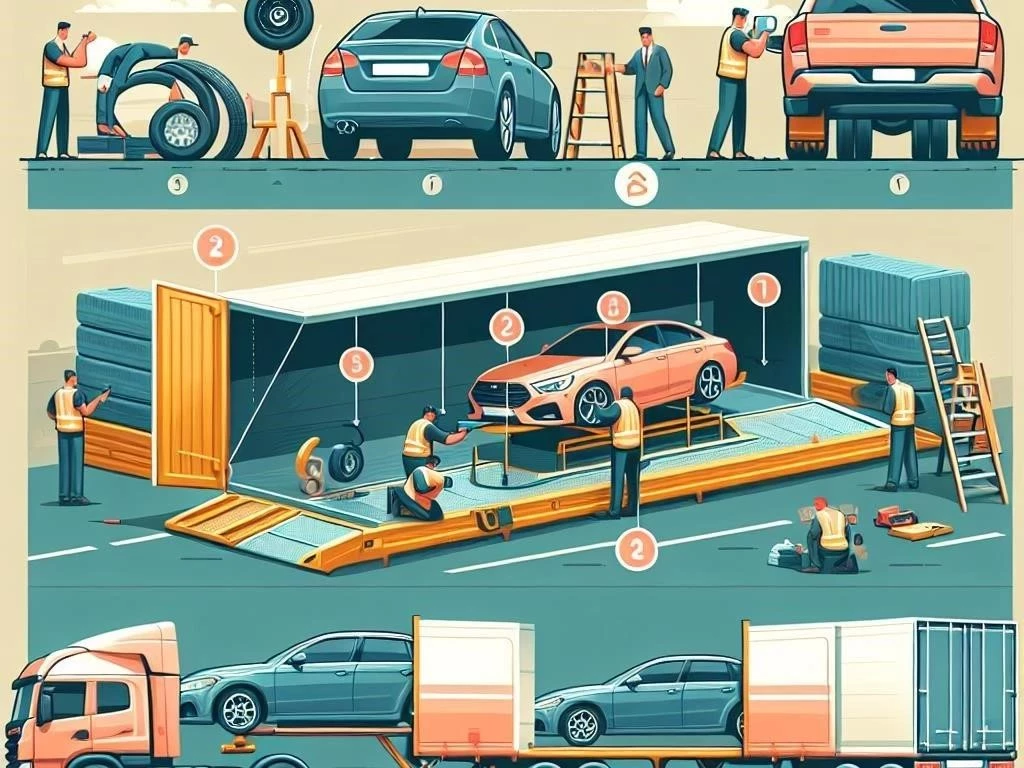
Preparing your vehicle for shipping is a crucial step in ensuring a smooth transport process. Start by cleaning your car thoroughly, both inside and out, to allow for a proper vehicle assessment. Document any existing scratches or dents with photos for future reference. Remove all personal items, as they may not be covered by insurance during transit. Check fluid levels and tire pressure to ensure the vehicle is in good condition for transport. Finally, disable any alarms and ensure that your fuel tank is only a quarter full to reduce weight. Proper preparation helps facilitate a seamless shipping experience.
5.1 Vehicle Assessment and Documentation
Conducting a thorough vehicle assessment and proper documentation is essential before shipping your car. Start by inspecting your vehicle for any pre-existing damages, such as scratches, dents, or mechanical issues, and document these with clear photographs. This documentation serves as a reference in case of any disputes regarding damages during transit. Additionally, gather essential paperwork, including the vehicle title, registration, and insurance information, to have on hand throughout the shipping process. Providing accurate information about your vehicle’s condition and maintaining proper documentation will help ensure a smooth shipping experience and protect your interests during transport.
5.2 Personal Items and Vehicle Condition
When preparing your vehicle for shipping, it’s crucial to address personal items and the overall vehicle condition. Most car shipping companies advise against leaving personal belongings inside the vehicle, as they may not be covered by insurance during transit. Remove all valuables and items that could shift during transport, potentially causing damage. In terms of vehicle condition, ensure that your car is clean, as this allows for a thorough inspection upon pickup. Additionally, check for any leaks or mechanical issues that could affect shipping. Maintaining a good vehicle condition helps facilitate a smoother and more efficient shipping process.
Understanding the Shipping Process
Understanding the shipping process is vital for a successful vehicle transport experience. Initially, you will need to confirm your booking with the chosen car shipping company, which includes agreeing on terms and payment. Afterward, the company will schedule a pickup date, coordinating with you for a convenient time. During pickup, the carrier will assess the vehicle’s condition and document it. Following pickup, your car will be transported to the destination, where you can typically track its progress. Upon arrival, the vehicle will undergo another inspection to ensure it matches the documented condition, finalizing the shipping process.
6.1 Pickup and Drop-off Procedures
Pickup and drop-off procedures are essential components of the car shipping process. On the scheduled pickup day, ensure that your vehicle is accessible and free of personal items. The carrier will arrive, conduct a thorough inspection, and document the vehicle’s condition, noting any pre-existing damages. This documentation protects you during transit. After loading the car onto the transport trailer, the driver will provide you with a bill of lading, detailing the shipping agreement. At the drop-off location, you will inspect the vehicle again to confirm its condition. Address any concerns with the carrier before signing off on the delivery.
6.2 Shipping Timeline and Tracking Services
Shipping timeline and tracking services play a vital role in car transport, providing peace of mind during the process. The shipping timeline can vary based on distance, route, and transport method, typically ranging from a few days to a couple of weeks. Upon scheduling your shipment, the car shipping company will provide an estimated delivery date. Many companies offer tracking services, allowing you to monitor your vehicle’s progress in real-time. This feature helps you stay informed about the location and status of your car throughout its journey, ensuring a transparent and reliable shipping experience from pickup to drop-off.
Navigating Shipping Regulations and Customs Clearance
Navigating shipping regulations and customs clearance is crucial when shipping a car, especially internationally. Each country has specific regulations regarding vehicle imports and exports, which may include emissions standards and safety compliance. Before shipping, research the destination country’s requirements to avoid penalties or delays. Prepare necessary documentation, including the vehicle title, bill of lading, and any required customs forms. Working with a reputable car shipping company can simplify this process, as they are familiar with customs clearance procedures. Properly understanding these regulations ensures a smoother transport experience and helps prevent unexpected complications during your vehicle’s journey.
Exploring Transport Options: Door-to-Door Service vs. Terminal-to-Terminal
When shipping a car, it’s essential to explore the transport options available, primarily door-to-door service versus terminal-to-terminal shipping. Door-to-door service offers convenience, as the carrier picks up and delivers your vehicle directly to your specified locations. This option is ideal for those seeking a hassle-free experience, albeit often at a higher cost. Conversely, terminal-to-terminal shipping requires you to drop off your vehicle at a designated terminal and retrieve it from another terminal at the destination. This method may be more economical but involves additional logistics on your part. Each option has its benefits, so choose based on your priorities.
Post-Shipping: What to Expect After Car Delivery
Post-shipping, there are several important steps to take after your car delivery to ensure everything went smoothly. First, inspect the vehicle thoroughly for any damages that may have occurred during transit, comparing it to your pre-shipping documentation. If you notice any issues, document them immediately and contact the shipping company to address potential claims. Additionally, check all vehicle systems, including brakes and lights, to confirm everything is functioning correctly. Lastly, familiarize yourself with any local regulations or requirements if you’ve shipped internationally. Following these steps will help ensure a smooth transition after receiving your vehicle at its destination.
9.1 Inspecting the Vehicle Upon Arrival
Inspecting the vehicle upon arrival is a crucial step in the car shipping process. As soon as you receive your vehicle, conduct a thorough examination to check for any damages or issues that may have occurred during transport. Look closely at the exterior for scratches, dents, or paint damage, and inspect the tires for any signs of wear. Open the doors, trunk, and hood to ensure everything functions properly. Take notes and photographs of any discrepancies, as this documentation will be essential if you need to file a claim with the shipping company. Prompt inspection helps safeguard your interests.
9.2 Destination Services and Support
Destination services and support can significantly enhance your experience after shipping a car. Many car shipping companies provide additional services at the destination, such as vehicle storage, detailing, or assistance with registration processes. These services help ease the transition after your vehicle arrives, ensuring everything is in order. Additionally, customer support representatives can assist you with any questions or concerns regarding the delivery process or vehicle condition. Familiarizing yourself with available destination services can save you time and effort, making your post-shipping experience smoother and more enjoyable, allowing you to focus on enjoying your vehicle in its new location.
