







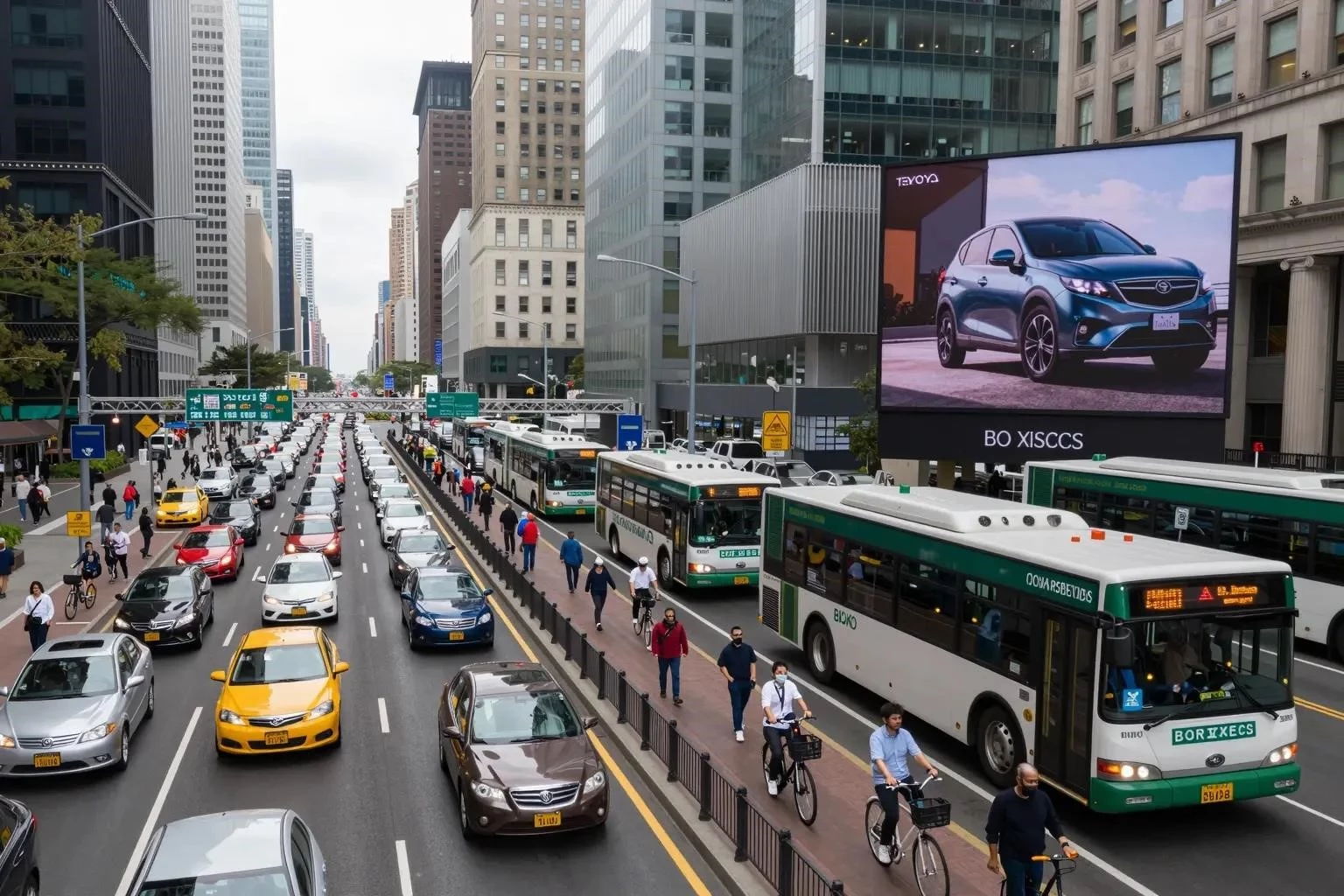
do car companies lobby against public transportation
The automotive industry plays a significant role in shaping transportation policy globally. One of the intriguing aspects of this influence is whether car manufacturers actively lobby against public transit systems. This article explores the relationship between car companies and public transportation‚ examining the implications for sustainable transport‚ urban mobility‚ and environmental impact.
The Role of Car Manufacturers in Transportation Policy
Car manufacturers typically have considerable lobbying power due to their financial contributions and the economic clout they hold. Their interests often conflict with those of public transit advocates‚ leading to tensions in transportation policy. Lobbying efforts from these companies can shape government regulations and influence infrastructure funding.
The Impact on Public Transit and Transit Systems
While car manufacturers may not explicitly campaign against public transit‚ their lobbying often emphasizes the importance of private vehicles. Many car companies argue that roads and highways should be prioritized over public transportation investments. This stance can undermine mass transportation initiatives‚ hindering the development of efficient transit systems that serve urban communities effectively.
Infrastructure Funding and Urban Planning
Funding for public transit is frequently a contentious issue‚ directly linked to urban planning decisions. Car manufacturers may advocate for allocations that favor road infrastructure‚ often at the expense of transit investment for buses and trains. This preference leads to a lack of public funding for sustainable transport solutions‚ such as bike lanes and pedestrian paths‚ which are crucial for effective urban mobility.
Environmental Considerations and Emission Standards
The environmental impact of transportation choices cannot be overlooked‚ particularly regarding climate change. Enhanced emission standards for vehicles have shifted car manufacturers’ focus to sustainability. However‚ their lobbying efforts may divert attention away from the environmental benefits of public transit. By promoting car culture‚ car companies risk exacerbating congestion and pollution in urban areas.
Transit Advocacy and Alternative Transport Solutions
In contrast‚ transit advocacy groups emphasize the need for comprehensive public transit systems that offer transportation alternatives. These organizations argue for improving transit accessibility and creating mobility solutions that serve all community members‚ regardless of their ability to own a vehicle. The push for alternative transport options such as biking and walking complements the goals of improving community development through better urban mobility.
The Challenges Ahead
Despite the clear benefits of robust public transportation‚ car manufacturers’ influence often complicates the dialogue around transport economics. Their lobbying against measures that could benefit mass transit leads to continued prioritization of vehicle ownership over public transit systems. In turn‚ this delays the progress needed to fight issues like climate change and develop a sustainable urban infrastructure.
Finding Common Ground
A resolution to the conflict between car manufacturers and transit advocates is essential for future urban planning. By collaborating‚ stakeholders can create transportation policies that consider both private vehicle use and public transit. This collaboration can lead to efficient transit systems that coexist with car culture while promoting sustainable transport solutions that benefit the community as a whole.
