








what is a tune up
Understanding Tune-Ups
A tune-up is a series of maintenance tasks aimed at optimizing engine performance and longevity, ensuring essential components operate efficiently for a smooth driving experience.
Definition of a Tune-Up
A tune-up refers to a comprehensive maintenance service focused on enhancing a vehicle’s performance and efficiency. This process typically involves inspecting and replacing various engine components, such as spark plugs, air filters, and fuel filters. Although the specifics can vary between vehicle makes and models, the primary goal remains the same: ensuring smooth operation and prolonging the vehicle’s lifespan.
Importance of Regular Tune-Ups
Regular tune-ups are crucial for maintaining vehicle performance and longevity. They help identify and address potential issues before they escalate into costly repairs. Consistent maintenance enhances fuel efficiency, reduces emissions, and improves overall driving comfort. Additionally, adhering to a scheduled tune-up can extend the life of your vehicle, ensuring it runs smoothly and efficiently for many years to come.
Components of a Tune-Up
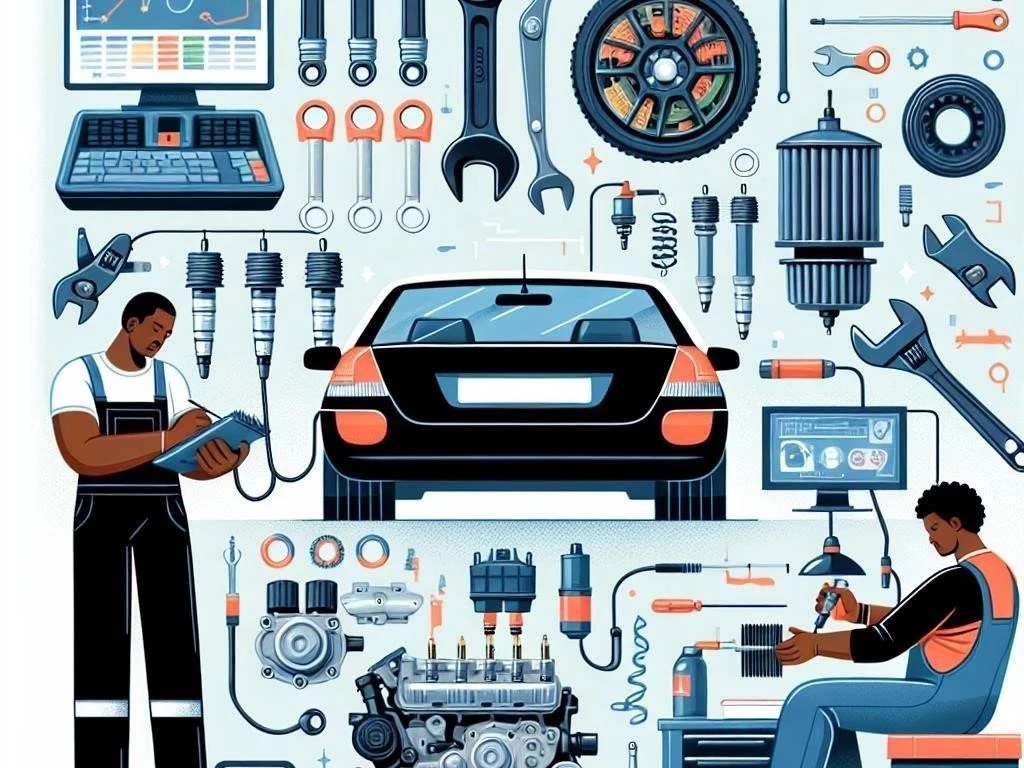
A tune-up involves several key components, including spark plugs, air filters, fuel filters, and ignition wires. Each part plays a vital role in engine performance.
Key Parts Inspected and Replaced
During a tune-up, several key components are thoroughly inspected and often replaced to maintain optimal engine performance. Commonly checked parts include spark plugs, which ignite the fuel-air mixture, and air filters that ensure clean airflow. Additionally, fuel filters are replaced to prevent clogs. Ignition wires are also examined to ensure proper electrical connections for efficient engine operation.
Diagnostic Checks Performed
During a tune-up, technicians conduct various diagnostic checks to assess the vehicle’s overall health. These checks often include running a diagnostic scan using onboard diagnostics (OBD) systems, which helps identify error codes. Additionally, they evaluate engine performance metrics, fuel efficiency, and emissions levels. This thorough analysis ensures that any underlying issues are detected and addressed promptly, enhancing vehicle reliability.
Differences Between Tune-Ups and Routine Maintenance
Tune-ups focus on optimizing engine performance and efficiency, while routine maintenance includes essential services like oil changes and tire rotations. Both are important.
How They Complement Each Other
Tune-ups and routine maintenance work together to ensure optimal vehicle performance. Routine maintenance addresses basic needs like oil changes and tire rotations, while tune-ups focus on enhancing engine efficiency. By regularly performing both, vehicle owners can prevent larger issues from arising and maintain peak performance. This combined approach ultimately extends the vehicle’s lifespan and improves overall driving experience.
Common Misconceptions
Many people mistakenly believe that a tune-up is only necessary for older vehicles. In reality, modern cars still require regular tune-ups to maintain optimal performance. Another misconception is that a tune-up only involves replacing spark plugs; however, it encompasses various inspections and replacements of critical components. Understanding these facts can help vehicle owners prioritize necessary maintenance for longevity and efficiency.
Cost Considerations for a Tune-Up
The cost of a tune-up varies based on vehicle make and model, ranging from $150 to $500, depending on required parts and services performed.
Factors Affecting the Cost
Several factors influence the cost of a tune-up, including the vehicle’s make, model, and age. Labor rates can vary by location and service provider. Additionally, the extent of repairs needed, such as replacing spark plugs or fuel injectors, can significantly impact the overall cost. Regular maintenance history and part availability also play crucial roles in determining the final price.
Average Price Range
Typically, the average price for a standard tune-up ranges from $150 to $500. This range can fluctuate based on the vehicle’s specific requirements, such as necessary part replacements and additional services. For older vehicles needing extensive maintenance, costs may be higher. It’s advisable to obtain quotes from multiple service providers to ensure competitive pricing and comprehensive service options.
Frequency and Timing of Tune-Ups
The frequency of tune-ups depends on your vehicle’s make, model, and age. Typically, older cars require them every 10,000 to 12,000 miles.
Manufacturer Recommendations
Manufacturers provide specific guidelines on tune-up frequency, typically outlined in the owner’s manual. For newer vehicles, recommendations often suggest intervals between 25,000 to 100,000 miles. In contrast, older models may require service more frequently, around every 10,000 to 12,000 miles. Adhering to these guidelines helps maintain optimal performance and prolongs the life of the vehicle’s engine components and systems.
Signs Your Vehicle Needs a Tune-Up
Several indicators suggest your vehicle may need a tune-up. Common signs include decreased engine power, difficulty starting, unusual noises, or poor fuel efficiency. Additionally, warning lights on the dashboard, such as the check engine light, may signal underlying issues. If you experience rough idling or decreased acceleration, seeking a professional assessment for a tune-up is advisable.
